1. Projects and Programs
  2. C2H2 RCN Collaborative Research: Appalachia Flood-Health Resilience Research Coordination Network

C2H2 RCN Collaborative Research: Appalachia Flood-Health Resilience Research Coordination Network

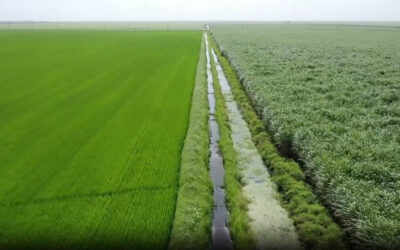
As climate change accelerates, rural mountain regions like Appalachia face escalating risks of inland flooding, as recently seen with the impacts of Tropical Storm Helene. The health consequences of these disasters are profound, leading to increased rates of respiratory illnesses, cardiovascular diseases, anxiety, depression, post-traumatic stress disorder, and substance abuse. Displacement, loss of
livelihoods, and the destruction of tight-knit community networks further exacerbate these health challenges. Despite these mounting risks, inland, rural regions like Appalachia receive disproportionately limited research, collaboration, and funding compared to coastal and urban areas. This lack of investment has hindered the development of resilient networks tailored to rural environments and limited training
opportunities for the next generation of health and geoscientists.

This project unites researchers working at the intersection of geoscience, public health, and policy alongside community-based organizations to co-develop evidence-informed strategies and interventions aimed at enhancing health outcomes and economic resilience in rural Appalachia. The team will create a Rural Resilience Network Exchange, a technology-enabled platform designed to facilitate sustained community engagement and to curate accessible digital repositories of climate and health data.

Economic Vitality | Flood Resilience | Rural Health
July 1, 2025
– June 30, 2030

Project Details

Funded by National Science Foundation (NSF)

(External Funding)

Administrative Unit

Research Institute for Environment, Energy, and Economics (RIEEE)

Research Theme

Project Team Members

Dr. Margaret "Maggie" Sugg

Department Honors Director
Associate Professor

More Projects and Programs

STEPS project
National Science Foundation (NSF) via North Carolina State University (NCSU)

The Science and Technologies for Phosphorus Sustainability (STEPS) Center is a convergence research community of diverse and leading scientists that addresses the complex challenges in phosphorus sustainability by integrating disciplinary…


CDIAC at App State

Climate change is occurring as a result of changes in the chemistry of the Earth’s atmosphere. These changes are being driven primarily by the release of carbon dioxide (CO2) from…

National Science Foundation (NSF)

This project investigates the impact of Hurricane Helene on salamander diversity and abundance and food web stability and resilience at intermediate elevations in Western North Carolina and East Tennessee. Extreme…